
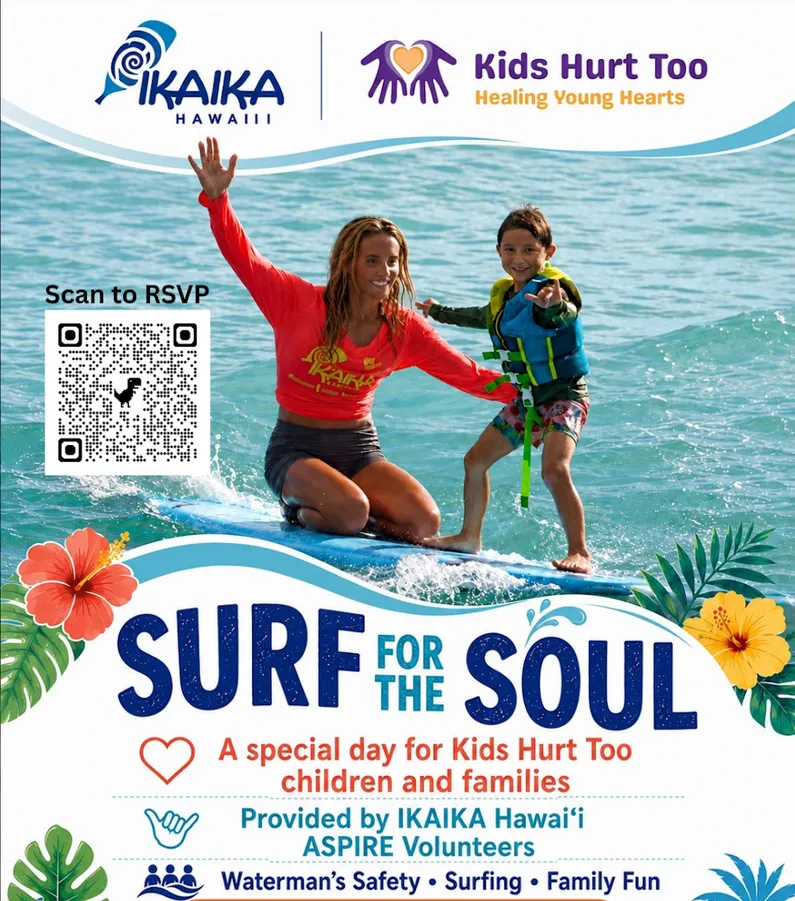
Surf for the Soul — Now Every Month! Starting in October
Surf for the Soul every month
Continue Reading Surf for the Soul every month
Continue Reading
Hawaiʻi Literacyʻs First Annual Wild About Reading event at the Honolulu Zoo on Saturday, September 26, from 10:00 AM to 4:00 PM.
Continue Reading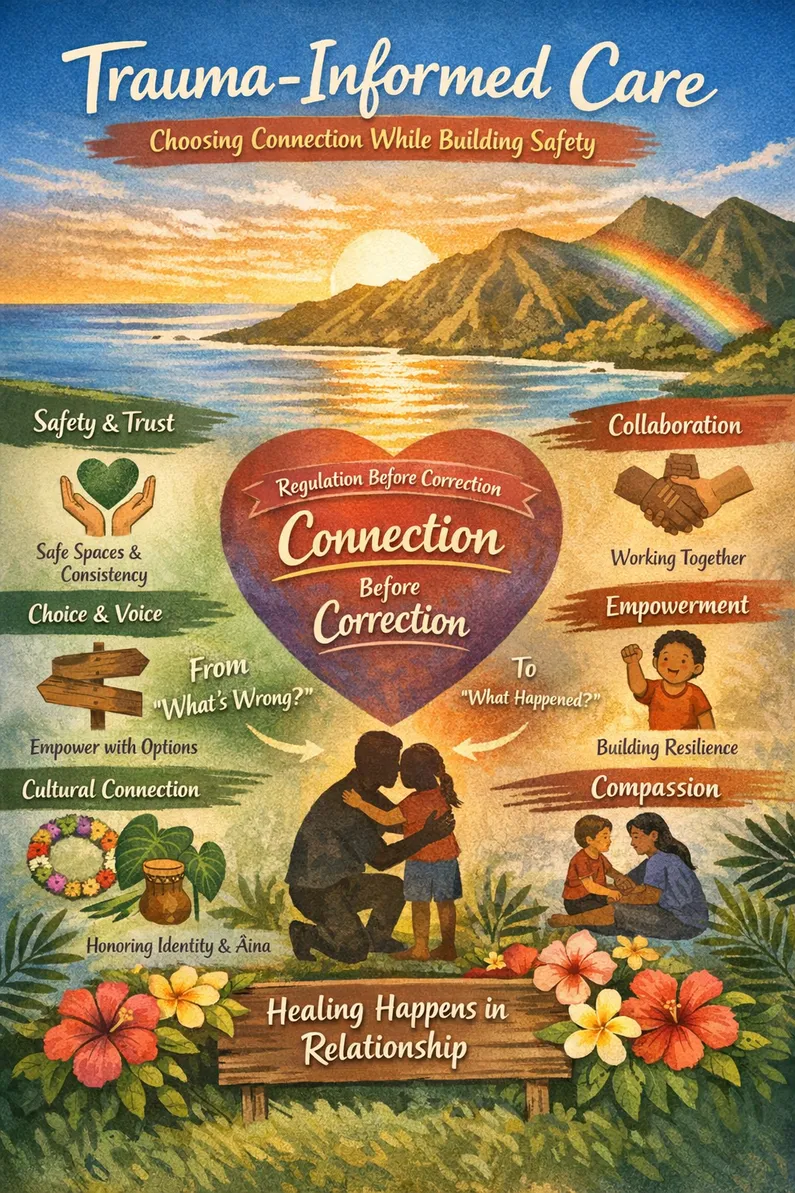
Trauma-informed care is a compassionate, research-based approach that shifts the focus from “What’s wrong?” to “What happened?” By understanding how trauma affects a child’s brain and behavior, caregivers and communities can respond with connection instead of control. Grounded in the values of safety, trust, choice, collaboration, empowerment, and cultural humility, this approach emphasizes regulation before correction and healing through relationship. In Hawaiʻi, where identity, ʻohana, and culture are powerful protective factors, trauma-informed care reminds us that children thrive when they feel safe, seen, and supported — and that hope grows through consistent, loving connection.
Continue Reading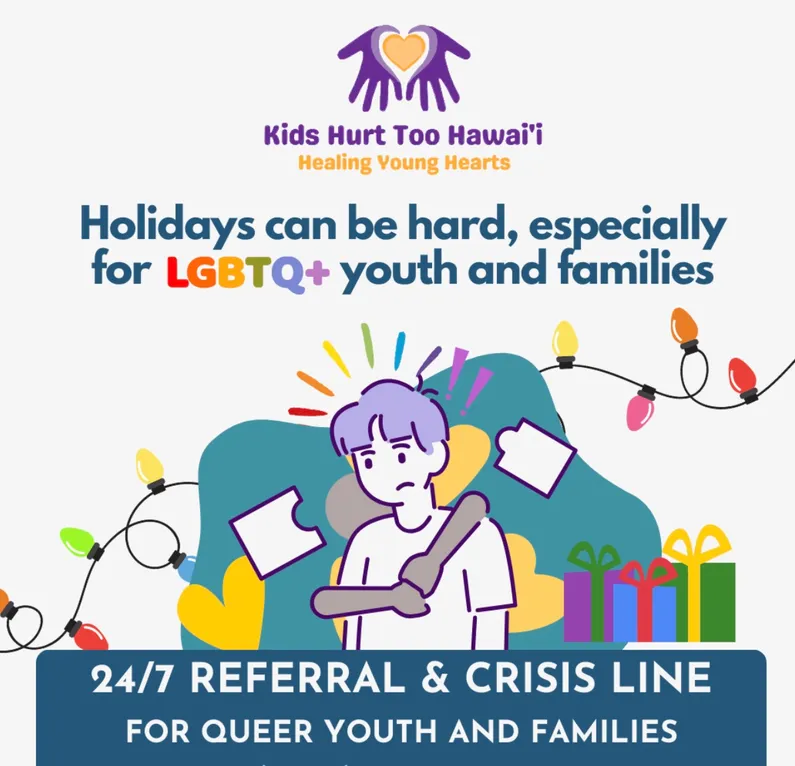
KHTH lauched a Holiday Warm Line for Queer Youth
Continue Reading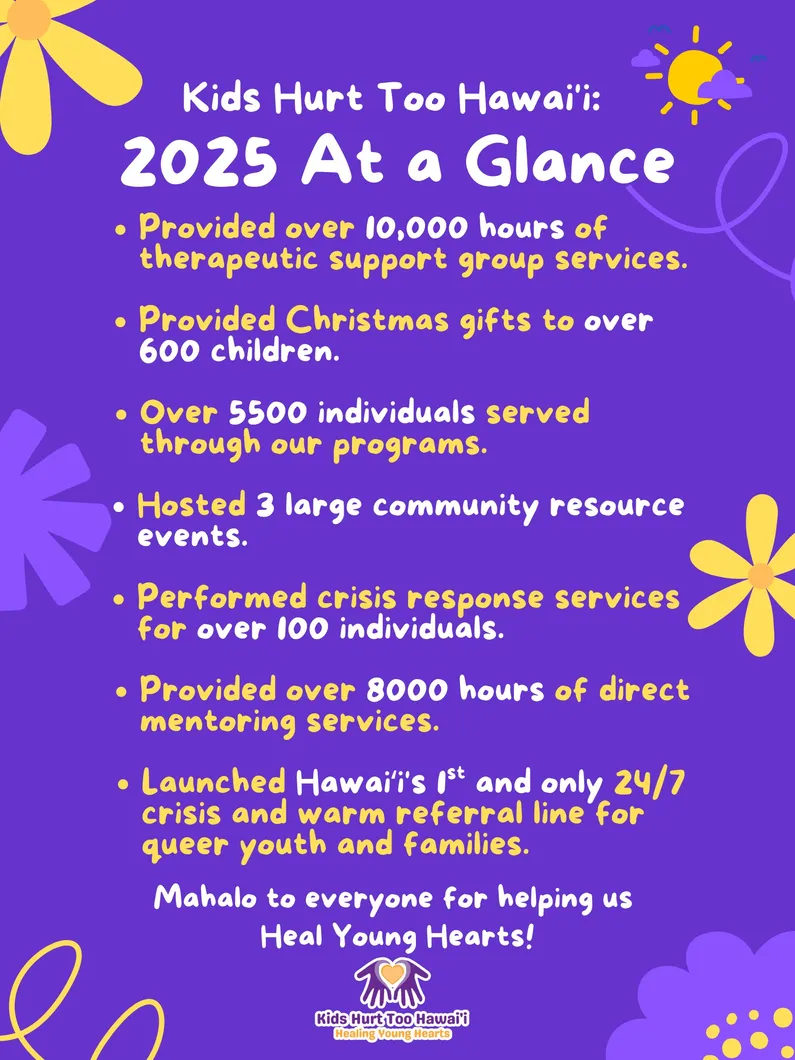
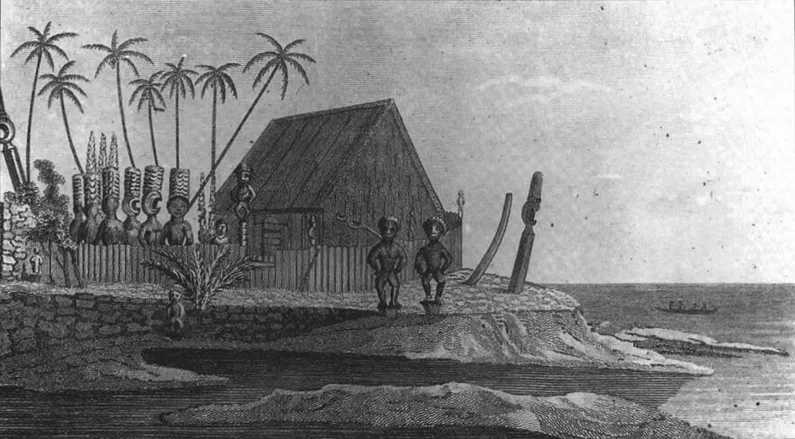
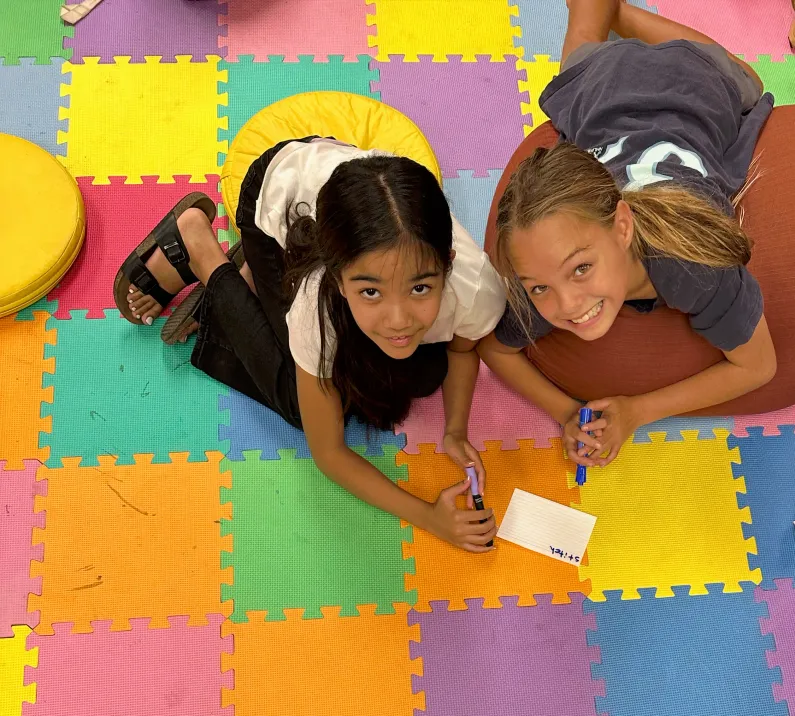

Grief is universal, but the way we experience it is shaped by culture, community, and environment. In Hawaiʻi, connection to ʻohana, ʻāina, and ancestry deeply influences how people grieve and heal.
Continue Reading
Grief is not selfish. Focusing on loss and remembering loved ones is a natural, human, and deeply loving act. This piece explores why turning inward during grief is an expression of care, connection, and selfless love—drawing inspiration from Kierkegaard’s timeless reflections on love and loss.
Continue Reading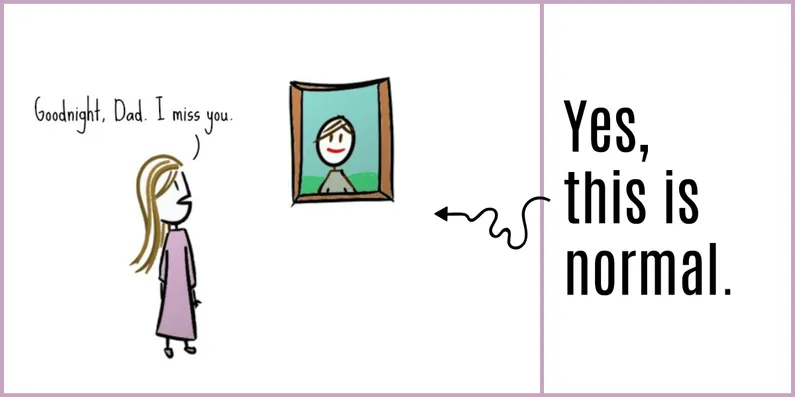
Continuing Bonds” is one of those grief concepts that just makes sense — an “a-ha” moment for many who hear it. Instead of urging us to “move on,” it reminds us that it’s normal, even healthy, to maintain a connection with our loved ones after they’ve died. This article explores how Continuing Bonds reframes grief as an ongoing relationship rather than something to overcome, offering validation, comfort, and understanding for anyone navigating loss.
Continue Reading

